Proteinuria in urine Nagpur
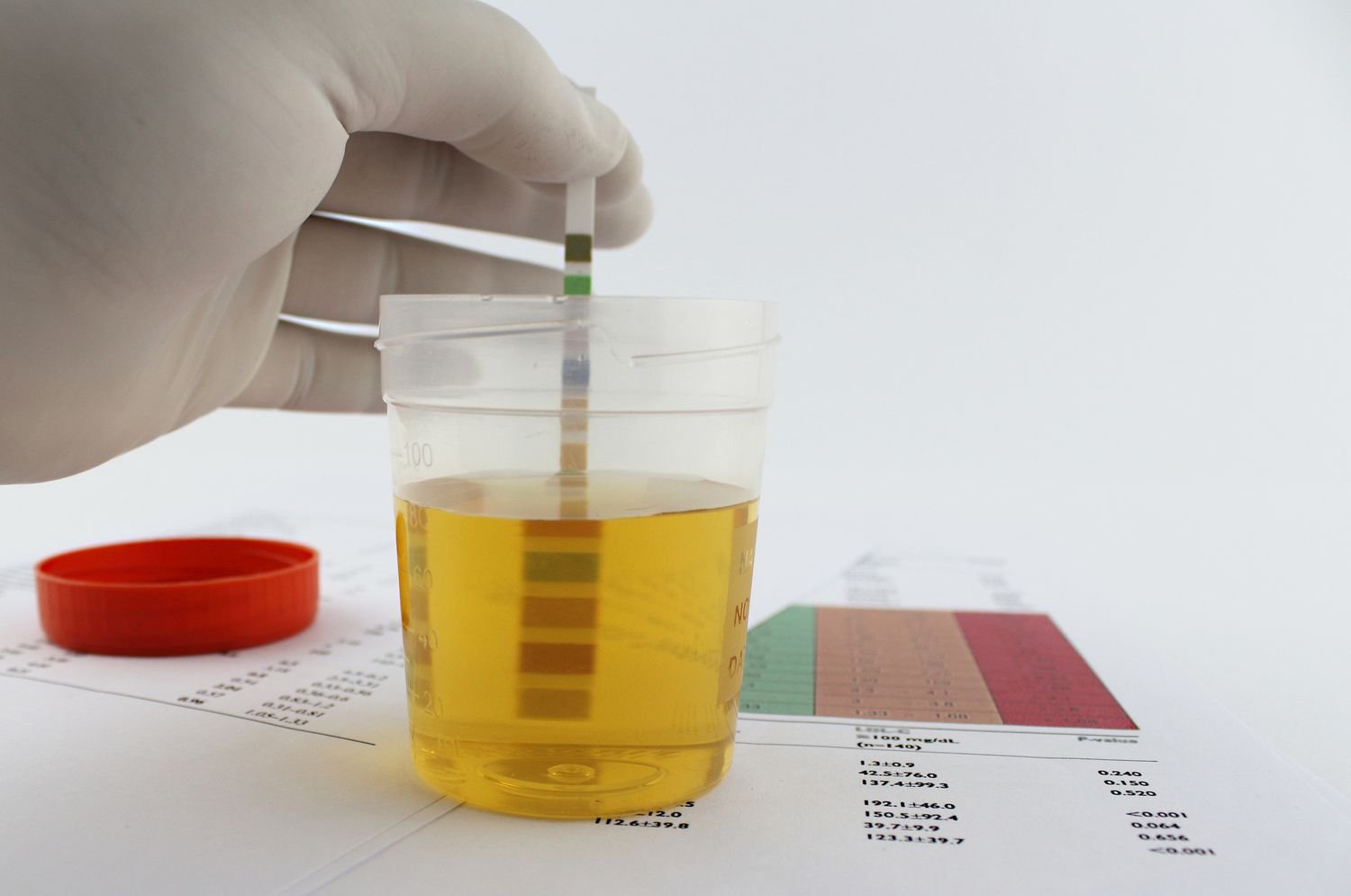
Proteinuria Treatment in Nagpur
A Proteinuria in urine Nagpur , Protein in urine, also called proteinuria, means that more protein than expected is passing into the urine. The kidneys normally filter waste from the blood while keeping important proteins in the bloodstream. When the kidney’s filtering system becomes affected, protein can leak into the urine.
Proteinuria can sometimes occur temporarily due to factors such as fever, dehydration, or strenuous exercise. However, persistent protein in urine may be associated with kidney disease, diabetes, high blood pressure, autoimmune conditions, or other health problems. Finding the underlying cause is therefore an important part of kidney care.
At Kidney Healthcare Clinic, Nagpur, Dr. Rohit P. Badge provides nephrology evaluation for proteinuria, abnormal urine reports, kidney disease, and related conditions. Depending on the patient’s symptoms and reports, evaluation may include urine testing, kidney-function assessment, blood-pressure monitoring, imaging, and further investigations when required.
What Is Proteinuria? | Proteinuria in urine Nagpur
What Does Protein in Urine Mean?
- Fever
- Dehydration
- Strenuous physical activity
- Acute illness
- Certain temporary health conditions However, in other situations, repeated protein in urine may indicate an underlying kidney or systemic condition. Therefore, persistent proteinuria may require further evaluation to identify the possible cause. For this reason, a doctor may recommend repeating the urine test or measuring urine protein more accurately. In addition, the doctor may consider the patient’s symptoms, medical history, kidney function, and other test results before deciding whether additional investigations are necessary.
Types of Proteinuria
Symptoms of Proteinuria
Proteinuria itself may not cause noticeable symptoms, particularly during its early stages.
When protein loss becomes more significant or occurs because of an underlying kidney condition, symptoms may include:
- Foamy or unusually frothy urine
- Swelling around the eyes
- Swelling of the feet, ankles, or legs
- Unexplained weight gain due to fluid retention
- Fatigue or weakness
- High blood pressure
- Reduced appetite
- Nausea
- Shortness of breath in some situations
Foamy urine alone does not confirm proteinuria. A urine test is needed to determine whether excess protein is actually present.
Proteinuria and Kidney Disease
Persistent proteinuria can be associated with several kidney conditions.
These may include:
- Diabetic kidney disease
- Hypertensive kidney disease
- Glomerulonephritis
- Nephrotic syndrome
- Lupus-related kidney disease
- Other glomerular disorders
- Chronic kidney disease
Proteinuria and Diabetic Kidney Disease | Proteinuria in urine Nagpur
Diabetes can affect the kidney’s filtering system gradually. One of the important findings during this process can be increased albumin in the urine.
People with diabetes may need periodic monitoring of:
- Urine albumin
- Urine albumin-to-creatinine ratio
- Serum creatinine
- eGFR
- Blood pressure
- Blood glucose
Early identification of abnormal urine protein can help doctors assess kidney health and plan appropriate follow-up.
You can also learn more about Diabetic Kidney Disease on our website.
Blood Tests
Blood tests may help assess kidney function and identify possible causes of proteinuria.
Depending on the situation, doctors may review:
- Serum creatinine
- eGFR
- Blood urea
- Electrolytes
- Serum albumin
- Blood glucose
- Other tests related to the suspected underlying condition
Proteinuria Treatment in Nagpur | Proteinuria in urine Nagpur
Proteinuria treatment in Nagpur depends on the underlying cause, amount of protein in the urine, kidney function, blood pressure, diabetes status, symptoms, and other medical findings.
The aim is to identify and manage the condition responsible for protein leakage while monitoring kidney health over time.
Treatment may include:
- Treating the underlying kidney condition
- Managing high blood pressure
- Managing diabetes when present
- Monitoring urine protein
- Monitoring kidney function
- Managing swelling when required
- Using kidney-protective medicines when clinically appropriate
- Treating autoimmune or inflammatory kidney disease when indicated
- Addressing contributing health conditions
- Regular follow-up based on the patient’s condition
The appropriate treatment varies from person to person. A medicine or diet that is suitable for one patient may not be suitable for another.
FAQ
1. What is proteinuria in urine?
2. What causes protein in the urine?
Proteinuria can occur because of conditions that affect the kidney’s filtering units. Diabetes, high blood pressure, and certain glomerular kidney diseases can contribute to protein leakage into the urine.
3. What are the symptoms of proteinuria?
Mild proteinuria may not cause noticeable symptoms. However, significant protein loss may be associated with foamy urine, swelling, or other signs of kidney disease.
4. How is proteinuria diagnosed?
Doctors may use a urine dipstick test and a urine albumin-to-creatinine ratio (UACR) to assess protein or albumin in the urine. Blood tests such as serum creatinine and eGFR can help assess kidney function.
5. Is protein in urine always a sign of kidney disease?
No. A single abnormal urine result does not necessarily establish kidney disease.
Book an Appointment with Dr. Rohit Badge
if you have abnormal kidney test results, persistent protein in the urine, high blood pressure associated with kidney problems, diabetes-related kidney concerns, dialysis-related questions, or require kidney transplant follow-up, consider scheduling a nephrology consultation.
Book an appointment with Dr. Rohit Badge in Nagpur to discuss your kidney health and understand the appropriate next steps.
Call:+918208419359
Location: 2nd Floor, Guru Balwant Building, Central Bazar Road, Lokmat Square, Ramdaspeth, Nagpur, Maharashtra – 440012.
Consultation Timings: Mon – Sat : 07pm – 09pm, Sun : Closed