Permcath Insertion Dialysis Catheter In Nagpur
Permcath Insertion Dialysis Catheter In Nagpur
What Is a Permcath Dialysis Catheter? | Permcath Insertion Dialysis Catheter In Nagpur
When May a Permcath Be Needed?
A nephrologist may consider Permcath placement when a patient requires hemodialysis and needs vascular access.
For example, the doctor may consider a Permcath when:
- The patient needs to start hemodialysis promptly
- An AV fistula needs time to mature
- Existing dialysis access does not provide adequate blood flow
- Previous dialysis access has developed a problem
- The patient needs tunneled vascular access
- Other access options may not suit the patient’s condition
Therefore, the nephrologist should assess the patient’s medical history, dialysis requirements, vascular-access history, and overall condition before selecting an access method.
Permcath Insertion for Hemodialysis
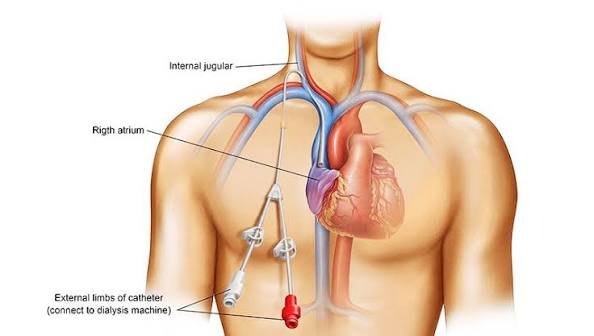
Permcath insertion provides vascular access for hemodialysis. During the procedure, the healthcare professional places the catheter into an appropriate central vein and creates a tunnel under the skin before bringing the catheter out through an exit site.
In addition, the medical team selects the catheter type and placement approach according to the patient’s condition, vascular anatomy, and dialysis requirements.
After placement, the healthcare team checks catheter function and provides instructions about catheter care. Therefore, patients should follow the team’s instructions carefully after the procedure.
How Does a Permcath Work During Dialysis?
Permcath Insertion Procedure
What Happens Before Permcath Insertion? | Permcath Insertion Dialysis Catheter In Nagpur
Before the procedure, the nephrologist may review:
- Kidney function
- Current dialysis requirements
- Previous vascular-access history
- Blood test results
- Current medicines
- Blood-thinning medicines
- Previous catheter problems
- Relevant medical conditions
- Available vascular-access options
Moreover, patients should inform the healthcare team about all medicines and previous problems with dialysis access.
What Happens After Permcath Insertion?
After catheter placement, the healthcare team checks the catheter and the surrounding area. In addition, the team provides instructions about dressing care, catheter protection, hygiene, and warning signs.
Patients should avoid unnecessary handling or pulling of the catheter. Furthermore, they should follow the catheter-care instructions provided by their dialysis team.
The healthcare team may also explain when the catheter can support dialysis and when the patient should report a concern. Therefore, patients should ask the dialysis team about any uncertainty regarding catheter care.
Permcath Catheter Care | Permcath Insertion Dialysis Catheter In Nagpur
Proper catheter care forms an important part of dialysis treatment. Patients should follow the instructions provided by their dialysis team during and between dialysis sessions.
Important care measures may include:
- Keep the catheter dressing clean and dry
- Follow the recommended dressing-care routine
- Avoid unnecessary catheter handling
- Follow hand-hygiene instructions
- Protect the catheter during daily activities
- Attend scheduled dialysis sessions
- Report unusual symptoms promptly
Moreover, patients should not change catheter-care instructions without discussing the change with their healthcare team. Instead, they should contact the dialysis team when they have questions or concerns.
FAQ
1. What is a Permcath dialysis catheter?
2. When is a Permcath needed for dialysis?
It may be used when dialysis needs to begin quickly or when an AV fistula or graft is not yet ready or cannot be used.
3. Where is a Permcath inserted?
It is commonly inserted into a large vein in the neck, with the catheter tunneled under the skin before reaching its exit site.
4. Can dialysis be performed through a Permcath?
Yes. A dialysis catheter can be connected directly to the dialysis circuit, without inserting needles into the catheter access.
5. Is Permcath insertion a permanent dialysis access?
Book an Appointment with Dr. Rohit Badge
if you have abnormal kidney test results, persistent protein in the urine, high blood pressure associated with kidney problems, diabetes-related kidney concerns, dialysis-related questions, or require kidney transplant follow-up, consider scheduling a nephrology consultation.
Book an appointment with Dr. Rohit Badge in Nagpur to discuss your kidney health and understand the appropriate next steps.
Call:+918208419359
Location: 2nd Floor, Guru Balwant Building, Central Bazar Road, Lokmat Square, Ramdaspeth, Nagpur, Maharashtra – 440012.
Consultation Timings: Mon – Sat : 07pm – 09pm, Sun : Closed