Nephrotic Syndrome Expert In Nagpur
Nephrotic Syndrome Expert in Nagpur
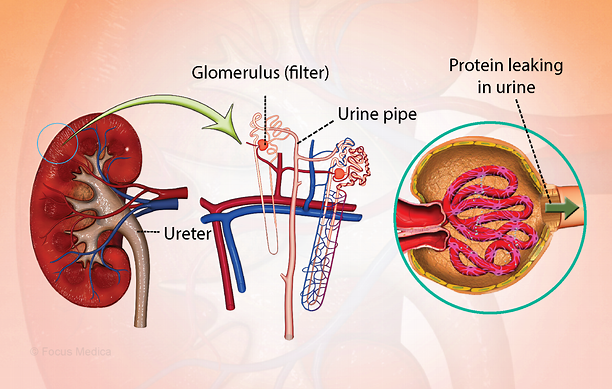
The Nephrotic Syndrome Expert In Nagpur, Nephrotic Syndrome is a kidney condition that can cause significant protein loss through the urine. It may also lead to swelling, changes in blood protein levels and other complications. Some people notice symptoms such as foamy urine or swelling, while others discover the condition through urine or blood tests.
If you are looking for a Nephrotic Syndrome Expert in Nagpur, Dr. Rohit Badge provides nephrology consultation for patients with proteinuria, kidney diseases and other conditions affecting kidney function. The evaluation considers the patient’s symptoms, urine findings, kidney function, blood pressure, medical history and other relevant factors.
What Is Nephrotic Syndrome? | Nephrotic Syndrome Expert In Nagpur
Symptoms of Nephrotic Syndrome
Nephrotic Syndrome can cause noticeable symptoms because of protein loss and fluid retention. However, the symptoms can vary from person to person depending on the underlying cause and severity.
Common symptoms and findings may include:
For example, swelling around the eyes
In addition, swelling in the feet, ankles or legs
Moreover, foamy or frothy urine
As a result, weight gain related to fluid retention
Also, tiredness
Furthermore, reduced appetite
In addition, increased cholesterol levels
Moreover, low blood albumin levels
Similarly, changes in urine appearance
However, some people may have few symptoms during the early stages. Therefore, persistent protein in the urine should not be ignored, especially when it occurs with abnormal kidney function tests or swelling. As a result, timely medical evaluation can help identify the underlying cause and guide appropriate care.
What Causes Nephrotic Syndrome?
Nephrotic Syndrome can develop because of diseases that directly affect the kidney’s filtering units or because of medical conditions that damage the kidneys.
Possible causes include:
- Minimal Change Disease
- Focal Segmental Glomerulosclerosis (FSGS)
- Membranous Nephropathy
- Diabetic Kidney Disease
- Lupus-related kidney disease
- Amyloidosis
- Other glomerular kidney diseases
How Does Nephrotic Syndrome Affect the Kidneys?
How Is Nephrotic Syndrome Diagnosed?
A nephrologist may use several tests to identify Nephrotic Syndrome, understand its severity and investigate the underlying cause.
Urine TestsUrinalysis can detect protein and other abnormalities in the urine. Additional urine testing may help measure the amount of protein being lost through the kidneys.
Tests such as urine protein measurements or albumin-to-creatinine ratio may provide useful information about protein loss.
Blood TestsBlood tests can help assess kidney function and the effects of protein loss.
Depending on the patient’s condition, testing may include:
- Serum creatinine
- eGFR
- Serum albumin
- Blood urea nitrogen
- Lipid profile
- Electrolytes
- Other tests based on the suspected cause
Blood Pressure Management | Nephrotic Syndrome Expert In Nagpur
Treatment may focus on the disease responsible for Nephrotic Syndrome.
Some patients may require corticosteroids or other immunosuppressive medicines. However, these treatments are not appropriate for everyone. The choice depends on the underlying kidney disease, biopsy findings when available, kidney function and other clinical factors.
Monitoring Kidney FunctionRegular follow-up may include monitoring:
- Urine protein
- Serum creatinine
- eGFR
- Serum albumin
- Blood pressure
- Cholesterol
- Other relevant health parameters
Nephrotic Syndrome and Proteinuria
Proteinuria means that an increased amount of protein is present in the urine. It can occur for several reasons and does not automatically mean that a person has Nephrotic Syndrome.
Nephrotic Syndrome involves a characteristic pattern of significant protein loss and may be associated with low blood albumin, swelling and other findings.
If you have persistent or heavy protein in the urine, a nephrologist can evaluate the possible cause and assess kidney function.
Internal link: Link “protein in the urine” to the website’s Proteinuria page.
FAQ
1. What is nephrotic syndrome?
2. What are the common symptoms of nephrotic syndrome?
Common symptoms include swelling around the eyes or legs, foamy urine, weight gain from fluid retention and tiredness.
3. What causes nephrotic syndrome?
It may result from kidney diseases such as FSGS, membranous nephropathy or minimal change disease. Diabetes and lupus can also cause it.
4. How is nephrotic syndrome diagnosed?
5. Can nephrotic syndrome be treated?
Yes. Treatment depends on the underlying cause and may include medicines to reduce protein loss, control swelling and manage blood pressure. Some patients may also require immune-suppressing medicines.