Lupus Nephritis Treatment In Nagpur
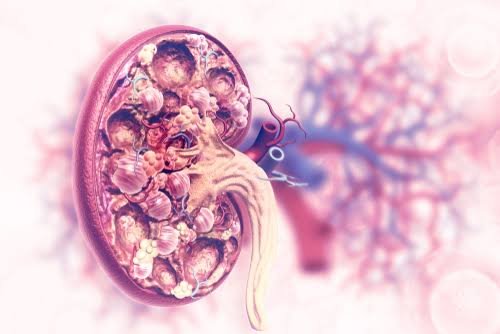
Lupus Nephritis Treatment in Nagpur
The Lupus Nephritis Treatment In Nagpur , Lupus nephritis is a kidney complication of systemic lupus erythematosus (SLE). It develops when the immune system causes inflammation in the kidneys and affects their ability to filter blood properly. Some people may notice swelling, changes in urine, or increased blood pressure, while others may have few symptoms in the early stages.
Lupus Nephritis Treatment in Nagpur focuses on identifying kidney involvement, understanding the severity of the disease, controlling inflammation, protecting kidney function, and monitoring the response to treatment. A nephrologist may use blood tests, urine tests, kidney-function assessment, imaging, and a kidney biopsy when appropriate to understand the condition.
At Kidney Healthcare Clinic, patients can discuss lupus-related kidney problems, abnormal urine or kidney-function reports, proteinuria, and long-term kidney care with a nephrologist.
What Is Lupus Nephritis? | Lupus Nephritis Treatment In Nagpur
How Does Lupus Affect the Kidneys?
- Protein in the urine
- Blood in the urine
- Swelling
- Increased blood pressure
- Changes in kidney-function tests
- Reduced kidney function in more severe disease In addition, some patients may have kidney involvement without obvious symptoms. For this reason, regular urine and blood testing can help identify kidney problems early in people with lupus. Furthermore, ongoing monitoring can help doctors assess kidney function and determine whether further evaluation or treatment may be needed. Therefore, regular follow-up can play an important role in monitoring kidney health in people with lupus.
Symptoms of Lupus Nephritis
- Foamy or unusually frothy urine
- Blood in the urine
- Swelling around the eyes
- Swelling in the feet, ankles, or legs
- Increased blood pressure
- Weight gain related to fluid retention
- Changes in urine output
- Fatigue
- Abnormal kidney-function reports However, some people may not experience noticeable kidney-related symptoms at first. Therefore, a person with lupus may require regular kidney monitoring even when they feel well. In addition, routine urine and blood tests can help identify changes that may not cause obvious symptoms. If you already have lupus and your urine test shows protein or blood, discuss the result with your treating doctor. Furthermore, timely evaluation can help determine whether further kidney assessment is needed. As a result, appropriate follow-up can help doctors monitor kidney health and i
What Causes Lupus Nephritis?
Lupus nephritis develops as a result of abnormal immune-system activity associated with systemic lupus erythematosus. Therefore, immune-related inflammation can affect the kidneys and interfere with their normal function.
The exact cause of lupus itself involves multiple factors, including genetic susceptibility and environmental or immune-related factors. In addition, these factors can interact in different ways from person to person.
However, lupus nephritis is not caused by a single food, medicine, or lifestyle habit. For this reason, the condition requires medical evaluation to determine the extent of kidney involvement and the appropriate management approach. Furthermore, regular follow-up may help doctors monitor kidney function and assess changes over time.
Who Is at Risk of Lupus Nephritis?
- Protein in the urine
- Blood in the urine
- High blood pressure
- Abnormal creatinine or other kidney-function results
- Swelling
- Changes in urine output In addition, a nephrologist can work with the patient’s other treating doctors to monitor kidney function and manage renal complications. Furthermore, regular follow-up can help the medical team identify changes and determine whether further evaluation or treatment is needed.
How Is Lupus Nephritis Diagnosed? | Lupus Nephritis Treatment In Nagpur
Doctors diagnose lupus nephritis by combining medical history, examination, blood tests, urine tests, kidney-function assessment, and other investigations when required. In addition, doctors use these findings to understand the patient’s overall condition.
Therefore, the evaluation helps determine whether lupus is affecting the kidneys and how significant the kidney involvement may be.
Blood Tests
Blood tests may help evaluate kidney function and the activity of the underlying disease. Depending on the clinical situation, doctors may recommend different blood tests to assess these factors.
For example, testing may include:
- Serum creatinine
- Estimated kidney function
- Blood urea
- Electrolytes
- Complete blood count
- Complement levels
- Autoimmune-related tests
- Other tests based on the patient’s condition</lHowever, the exact tests depend on the patient’s symptoms, medical history, previous results, and treatment status. Therefore, doctors select the appropriate tests according to the individual’s clinical needs.
Lupus Nephritis Classes
Lupus nephritis can show different patterns of kidney injury when kidney tissue is examined.
The classification helps doctors understand the type and severity of kidney involvement. The treatment approach may differ depending on the biopsy findings and other clinical factors.
The commonly described classes include:
- Class I: Minimal mesangial lupus nephritis
- Class II: Mesangial proliferative lupus nephritis
- Class III: Focal lupus nephritis
- Class IV: Diffuse lupus nephritis
- Class V: Membranous lupus nephritis
- Class VI: Advanced sclerosing lupus nephritis
The classification should always be interpreted by the treating medical team along with the patient’s kidney function, urine findings, symptoms, and overall health.
Lupus Nephritis Treatment | Lupus Nephritis Treatment In Nagpur
Treatment depends on the type and severity of lupus nephritis, kidney-function results, urine protein levels, biopsy findings when available, other lupus manifestations, and the patient’s overall health.
The main goals of treatment are to:
- Control kidney inflammation
- Reduce abnormal immune activity
- Reduce protein loss through the kidneys
- Protect remaining kidney function
- Control blood pressure
- Prevent disease progression
- Monitor response and possible treatment complications
There is no single treatment plan that suits every patient.
FAQ
1. What is lupus nephritis?
2. What are the symptoms of lupus nephritis?
3. How is lupus nephritis diagnosed?
Doctors may use urine tests, blood tests, kidney-function tests, and other evaluations to assess kidney involvement.
4. Is a kidney biopsy necessary for lupus nephritis?
A kidney biopsy may help doctors classify lupus nephritis and select an appropriate treatment approach.
5. How is lupus nephritis treated?
Treatment depends on the type and severity of lupus nephritis. Generally, doctors may use medicines that control immune-system activity along with treatments that protect kidney function.
Book an Appointment with Dr. Rohit Badge
if you have abnormal kidney test results, persistent protein in the urine, high blood pressure associated with kidney problems, diabetes-related kidney concerns, dialysis-related questions, or require kidney transplant follow-up, consider scheduling a nephrology consultation.
Book an appointment with Dr. Rohit Badge in Nagpur to discuss your kidney health and understand the appropriate next steps.
Call:+918208419359
Location: 2nd Floor, Guru Balwant Building, Central Bazar Road, Lokmat Square, Ramdaspeth, Nagpur, Maharashtra – 440012.
Consultation Timings: Mon – Sat : 07pm – 09pm, Sun : Closed