Dialysis center In Nagpur
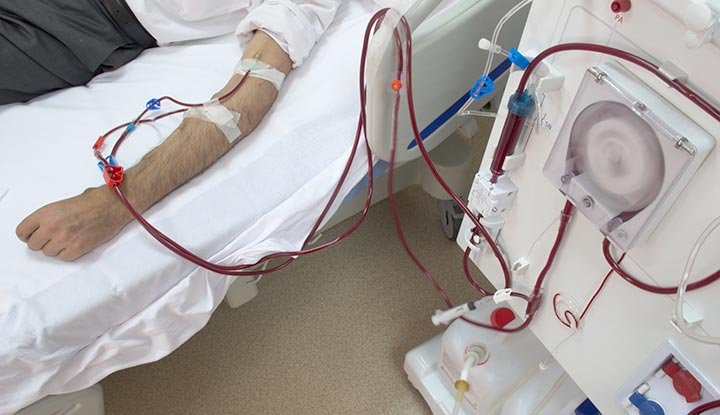
Dialysis Center in Nagpur
A Dialysis center in Nagpur ,When the kidneys can no longer remove enough waste, extra fluid, and certain electrolytes from the blood, dialysis may become part of kidney failure management. Choosing the right dialysis care involves more than the dialysis procedure itself. Patients may need kidney function assessment, dialysis planning, access evaluation, regular monitoring, medication review, and ongoing nephrology care.
Dr. Rohit P. Badge is a Consultant Nephrologist in Nagpur with clinical experience in kidney disease, hemodialysis, peritoneal dialysis, kidney transplantation, critical care nephrology, and interventional nephrology. Patients can consult him for dialysis-related evaluation, kidney failure management, dialysis monitoring, and transplant-related assessment when appropriate.
What Is a Dialysis Center? | Dialysis center in Nagpur
- Assessment before starting dialysis
- Hemodialysis
- Furthermore, dialysis-related medical monitoring
- Vascular access assessment
- Moreover, fluid and blood pressure management
- Electrolyte monitoring
- Medication review
- Additionally, management of dialysis-related complications
- Ongoing nephrology follow-up
- When appropriate, evaluation for kidney transplantation However, the type and frequency of dialysis depend on the patient’s kidney function, symptoms, medical condition, dialysis access, and treatment plan. Therefore, the dialysis schedule and treatment approach may vary from patient to patient. Ultimately, the treating nephrologist determines the appropriate dialysis plan based on the patient’s individual needs.
Dialysis Services in Nagpur
- Blood pressure
- Fluid status
- Electrolytes
- Hemoglobin
- Kidney function
- Dialysis adequacy
- Vascular access
- Medicines and related health conditions Therefore, regular follow-up is important for monitoring dialysis treatment and identifying changes that may require medical attention. Furthermore, patients should follow the recommended dialysis schedule, medication plan, and dietary guid
Who May Need Dialysis?
- Kidney function
- Symptoms related to kidney failure
- Fluid overload
- Potassium and other electrolyte abnormalities
- Acid-base disturbances
- Uremic complications
- Blood pressure
- Nutritional status
- Overall medical condition However, there is no single creatinine value that automatically means a person needs dialysis. Therefore, the decision depends on the patient’s overall clinical condition and the benefits and risks of starting treatment. Furthermore, the nephrologist considers the patient’s symptoms, laboratory results, and overall health before recommending dialysis. Ultimately, the timing of dialysis initiation is individualized for each patient.
Dialysis Evaluation Before Treatment
Many people associate kidney disease only with severe symptoms. However, some kidney problems may develop without obvious warning signs.
You may need a nephrology consultation if you have:
- Abnormal kidney function test results
- Persistent protein in the urine
- Blood in the urine
- Swelling around the eyes, hands, feet, or ankles
- Repeatedly high blood pressure
- Diabetes with abnormal kidney-related test results
- A history of kidney disease
- Recurrent kidney-related complications
- Unexplained changes in urine
- A sudden decline in kidney function
- A need for dialysis evaluation or management
- A kidney transplant requiring specialist follow-up
If you already have kidney-related reports, carrying your previous test results and medication list can help the doctor understand your medical history more effectively.
Dialysis Access
- Arteriovenous fistula
- Arteriovenous graft
- Temporary dialysis catheter
- Tunneled dialysis catheter Moreover, the choice of vascular access depends on factors such as the urgency of dialysis, expected duration of treatment, blood vessels, previous access, and the patient’s medical condition. Therefore, the nephrology team evaluates these factors before recommending a suitable access option. Furthermore, patients may require regular monitoring of their dialysis access to identify potentia
When Should a Dialysis Patient Seek Urgent Medical Attention?
- Severe breathing difficulty
- Chest pain
- Fainting
- Confusion
- Severe weakness
- Persistent vomiting
- Significant swelling
- Very high or very low blood pressure
- Markedly reduced urine output
- Fever or suspected infection
- Bleeding or other problems around dialysis access
- Sudden changes in overall health Furthermore, patients should not ignore new or worsening symptoms, especially when they develop suddenly. Therefore, emergency symptoms should be evaluated promptly rather than waiting for the next routine dialysis appointment. In addition, patients should contact their healthcare team when they notice concerns related to dialysis access, fluid balance, blood pressure, or other changes in their condition.
Dialysis Care Under Nephrology Supervision
- MBBS
- MD (General Medicine)
- DNB (Nephrology)
- MNAMS
- FASN (USA)
- Adult Nephrology
- Pediatric Nephrology
- Hemodialysis
- Peritoneal Dialysis
- Kidney Transplant
- Critical Care Nephrology
- Interventional Nephrology Moreover, his professional experience includes clinical and academic roles in nephrology and medicine, including experience at AIIMS Raipur and IGGMC Nagpur. Therefore, patients may consult a nephrologist for individualized evaluation and ongoing kidney-care management based on their medical needs.
What Should You Bring to a Dialysis Consultation? | Dialysis center in Nagpur
If you are visiting a nephrologist for dialysis-related care, it is helpful to bring your available medical records. In addition, these reports allow the doctor to understand your kidney health and previous treatment.
These may include:
- Recent creatinine and eGFR reports
- Blood urea and electrolyte reports
- Hemoglobin reports
- Urine test reports
- Blood pressure records
- Blood sugar or HbA1c reports
- Previous ultrasound or other imaging reports
- Dialysis records
- Dialysis prescription, if available
- Vascular access information
- Previous hospital discharge summaries
- Current medicine list
- Previous transplant evaluation reports, if applicable
Moreover, bringing your previous reports can help the doctor compare your current kidney function with earlier results. Therefore, the doctor can better understand changes in your condition and plan the next steps. In addition, keeping your medicine list and dialysis records available can make the consultation more complete. As a result, you may have a clearer discussion about your ongoing dialysis care and follow-up.
FAQ
1. When is dialysis recommended?
2. What types of dialysis are available?
The main types are hemodialysis and peritoneal dialysis.
3. How often is hemodialysis needed?
Many patients receive hemodialysis about three times a week, depending on their condition.
4. How long does a dialysis session take?
A typical hemodialysis session may take around 3–5 hours.
5. Is dialysis painful?
Dialysis itself is generally not painful, although needle insertion may cause temporary discomfort.
Book an Appointment with Dr. Rohit Badge
if you have abnormal kidney test results, persistent protein in the urine, high blood pressure associated with kidney problems, diabetes-related kidney concerns, dialysis-related questions, or require kidney transplant follow-up, consider scheduling a nephrology consultation.
Book an appointment with Dr. Rohit Badge in Nagpur to discuss your kidney health and understand the appropriate next steps.
Call:+918208419359
Location: 2nd Floor, Guru Balwant Building, Central Bazar Road, Lokmat Square, Ramdaspeth, Nagpur, Maharashtra – 440012.
Consultation Timings: Mon – Sat : 07pm – 09pm, Sun : Closed