Renal Failure Treatment in Nagpur
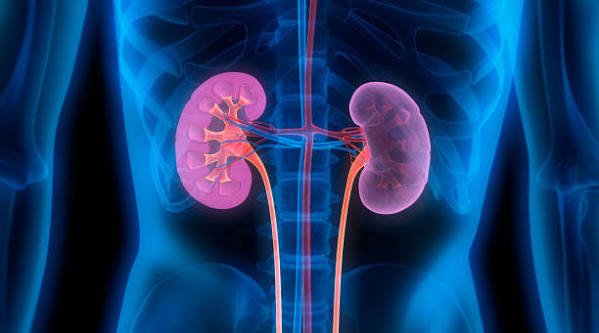
Renal Failure Treatment in Nagpur
A Renal failure treatment in Nagpur depends on the cause, severity of kidney dysfunction and the patient’s overall health. Renal failure, also called kidney failure, occurs when the kidneys can no longer perform their functions adequately. A nephrologist can evaluate kidney function, identify contributing conditions and discuss suitable treatment options. Depending on the condition, treatment may include medicines, dietary management, monitoring, dialysis or kidney transplant evaluation.
Early medical evaluation can help identify the cause of kidney dysfunction and determine the appropriate treatment plan. Patients with diabetes, high blood pressure, abnormal kidney-function tests, protein in urine or a history of kidney disease may require regular nephrology follow-up.
What Is Renal Failure? | Renal failure treatment Nagpur
Causes of Renal Failure
- Diabetes
- High blood pressure
- Glomerular kidney diseases
- Severe infections
- Certain medicines or toxins
- Urinary tract obstruction
- Repeated episodes of kidney injury
- Autoimmune diseases
- Inherited kidney disorders
- Severe dehydration or reduced blood flow to the kidneys
- Other chronic kidney conditions However, the same symptom can occur with different kidney conditions. For this reason, treatment should be based on proper medical evaluation rather than symptoms alone. Furthermore, doctors may use blood tests, urine tests, imaging, and other investigations to identify the possible cause when clinically appropriate.
Symptoms of Renal Failure
- Swelling of the feet, ankles or face
- Changes in urine output
- Persistent tiredness
- Loss of appetite
- Nausea or vomiting
- Itching
- Muscle cramps
- Changes in blood pressure
- Breathlessness related to fluid accumulation
- Difficulty concentrating
- General weakness In addition, the severity of symptoms can vary from person to person. Therefore, severe or rapidly worsening symptoms require prompt medical assessment. For this reason, patients with significant changes in urine output, severe breathlessness, confusion, or rapidly worsening swelling should seek medical attention promptly.
How Is Renal Failure Diagnosed?
Medicines and Medical Management
Medicines may form part of treatment depending on the patient’s condition.
A doctor may manage problems such as:
- High blood pressure
- Fluid retention
- Electrolyte abnormalities
- Anemia
- Diabetes-related kidney problems
- Other conditions contributing to kidney damage
Medication selection and dosage depend on kidney function and other medical factors. Patients should not start, stop or change medicines without medical advice.
Diet and Lifestyle Management | Renal failure treatment Nagpur
- Salt intake
- Fluid intake
- Protein intake
- Potassium
- Phosphorus
- Blood sugar
- Blood pressure However, there is no single kidney diet that is suitable for every patient. For this reason, dietary recommendations should match the patient’s kidney function, medical conditions, and treatment plan. In addition, dietary requirements may change over time as kidney function, laboratory results, or treatment needs change.
When Is Dialysis Needed in Renal Failure?
- Serum creatinine
- eGFR
- Blood urea
- Electrolyte tests
- Urine routine examination
- Urine protein testing
- Urine albumin-to-creatinine ratio
- Blood sugar or HbA1c
- Complete blood count
- Blood-pressure assessment
- Kidney ultrasound
- Other imaging when clinically required
- Additional kidney-specific investigations when indicated However, no single test provides the complete picture in every patient. Therefore, the doctor considers the test results together with symptoms, medical history, and other clinical findings. In addition, depending on the results, further investigations may be recommended when clinically appropriate. As a result, the overall evaluation can provide a more complete understanding of kidney function and help guide the appropriate treatment or monitoring plan.
When Is Renal Failure an Emergency? | Renal failure treatment Nagpur
- Evaluation of kidney-related problems
- Chronic kidney disease management
- Kidney function monitoring
- Blood pressure and kidney-related care
- Diabetic kidney disease
- Proteinuria evaluation
- Dialysis-related care
- Kidney transplant follow-up
- Personalized consultation based on medical history
- Ongoing monitoring when long-term kidney care is required In addition, each patient’s condition may require a different approach based on their symptoms, medical history, and test results. Therefore, appropriate evaluation and regular follow-up can help support ongoing kidney care. Furthermore, regular communication between the patient and nephrology team can help address changes in kidney health when they occur. Ultimately, the goal is to help patients understand their kidney condition and make informed decisions about their medical care.
FAQ
1. What is renal failure?
2. What causes renal failure?
Renal failure can result from diabetes, high blood pressure, chronic kidney disease, severe kidney injury, urinary obstruction, or other kidney conditions.
3. What are the symptoms of renal failure?
Symptoms may include swelling, tiredness, nausea, reduced appetite, itching, muscle cramps, weakness, and changes in urine output.
4. Can renal failure be treated?
Yes, treatment may include medicines, dietary management, dialysis, kidney transplantation, or conservative care, depending on the patient’s condition.
5. When is dialysis needed for renal failure?
Dialysis may be needed when the kidneys cannot adequately manage waste, excess fluid, electrolytes, or acid-base balance.
Book an Appointment with Dr. Rohit Badge
if you have abnormal kidney test results, persistent protein in the urine, high blood pressure associated with kidney problems, diabetes-related kidney concerns, dialysis-related questions, or require kidney transplant follow-up, consider scheduling a nephrology consultation.
Book an appointment with Dr. Rohit Badge in Nagpur to discuss your kidney health and understand the appropriate next steps.
Call:+918208419359
Location: 2nd Floor, Guru Balwant Building, Central Bazar Road, Lokmat Square, Ramdaspeth, Nagpur, Maharashtra – 440012.
Consultation Timings: Mon – Sat : 07pm – 09pm, Sun : Closed