Pediatric Nephrology In Nagpur
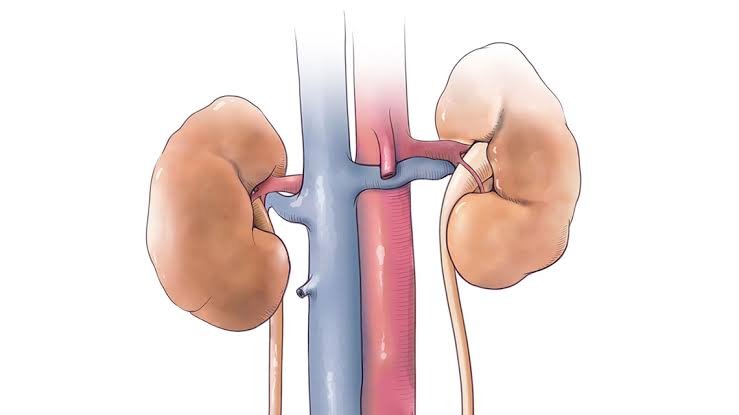
Pediatric Nephrologist in Nagpur
What Is Pediatric Nephrology?
Pediatric nephrology is a specialized area of nephrology that focuses on kidney and urinary problems in infants, children, and adolescents. In addition, this specialty addresses kidney conditions that may affect a child’s health and development at different stages of childhood.
Children’s kidneys are still developing, and kidney problems can affect growth, blood pressure, nutrition, fluid balance, electrolyte levels, and overall development. Therefore, evaluation should consider the child’s age, growth pattern, symptoms, medical history, family history, examination findings, and laboratory reports. Furthermore, doctors may review previous test results and imaging reports to understand changes in kidney health over time.
Moreover, a pediatric nephrologist evaluates these factors to understand the child’s kidney health and determine whether further testing or treatment is needed. As a result, an appropriate evaluation can help guide monitoring and management according to the child’s individual needs.
Pediatric Nephrology Consultation in Nagpur
- The child’s symptoms and medical history
- Growth and development
- Blood pressure
- Urine test reports
- Creatinine and kidney function
- Previous ultrasound or imaging reports
- History of urinary infections
- Medicines and previous treatments
- Family history of kidney disease
- Diabetes or other relevant medical conditions Furthermore, the doctor may compare current test results with previous reports to identify any changes over time. Moreover, the doctor may recommend additional tests when the available information does not provide enough clarity. Therefore, the doctor determines whether additional testing, monitoring, treatment, or specialist follow-up is appropriate. However, the recommended approach can vary depending on the child’s symptoms, diagnosis, age, kidney function, and overall health.
When Should a Child See a Pediatric Nephrologist?
-
- Protein in the urine
- Blood in the urine
- Repeated urinary tract infections
- Swelling around the eyes, face, feet, or legs
- High blood pressure
- Abnormal creatinine
- Reduced kidney function
- An abnormal kidney or urinary tract ultrasound
- Kidney stones
- Congenital kidney or urinary tract abnormalities
- Poor growth associated with kidney disease
- Recurrent kidney problems
- Electrolyte abnormalities
- A family history of certain hereditary kidney conditions
Symptoms That May Need Kidney Evaluation
- Swelling around the eyes or legs
- Changes in urine colour
- Persistent blood in urine
- Persistent protein in urine
- Reduced urine output
- Excessive urination
- Recurrent urinary infections
- High blood pressure
- Unexplained fatigue
- Poor growth
- Recurrent flank or abdominal discomfort
- Abnormal kidney function tests In addition, some of these signs may occur because of conditions that do not directly involve the kidneys. However, persistent or concerning symptoms should receive appropriate medical attention. Furthermore, abnormal urine or kidney function test results may require additional evaluation. Therefore, parents should discuss persistent or concerning symptoms with a qualified healthcare professional rather than assuming that every urinary symptom results from kidney
Why Pediatric Kidney Care Is Different
Children are growing and developing, so kidney problems need to be assessed with their age and development in mind.
Kidney disease can affect:
- Growth
- Blood pressure
- Nutrition
- Fluid balance
- Electrolyte levels
- Bone and mineral health
- Urinary development
- School and daily activities
Regular follow-up may be important for children with chronic kidney conditions because their medical needs can change as they grow.
Pediatric Kidney Disease Treatment and Follow-Up
- Regular monitoring
- Medicines prescribed according to the child’s condition
- Blood pressure management
- Management of proteinuria
- Treatment of urinary infections when appropriate
- Fluid and electrolyte management
- Nutrition guidance
- Monitoring of growth
- Kidney function monitoring
- Imaging follow-up
- Management of kidney stones
- Long-term CKD care
- Dialysis-related nephrology care when required
- Kidney transplant evaluation for selected children with advanced kidney failure Furthermore, regular follow-up can help the medical team monitor changes in kidney function and adjust treatment when needed. Moreover, nutrition, growth, blood pressure, and other health factors may require ongoing assessment during childhood. However, treatment should always be individualized according to the child’s diagnosis,
Pediatric Dialysis and Kidney Transplant Care
Some children with severe kidney disease may eventually require kidney replacement therapy.
Dialysis options can include hemodialysis and peritoneal dialysis. The choice depends on the child’s age, size, kidney function, clinical condition, family circumstances, and available medical support.
For children with advanced kidney failure, kidney transplantation may be considered after appropriate medical evaluation.
The decision about dialysis or transplantation should be made by the treating medical team after assessing the child’s overall health and kidney function.
FAQ
1. What is pediatric nephrology?
2. When should a child see a pediatric nephrologist?
A child may need consultation for abnormal urine tests, kidney problems, swelling, or high blood pressure.
3. What kidney conditions do pediatric nephrologists treat?
They manage conditions such as nephrotic syndrome, urinary infections, kidney stones, and congenital kidney problems.
4. Can children develop kidney disease?
Yes. Children can develop kidney conditions due to genetic, congenital, infectious, or other causes.
5. What symptoms may indicate a kidney problem in children?
Symptoms may include swelling, changes in urine, frequent urination, pain, or unexplained high blood pressure.
When Should Parents Seek Prompt Medical Attention?
Some symptoms may require urgent medical assessment.
Seek prompt medical attention if a child develops:
- Very low or no urine output
- Significant swelling
- Severe breathing difficulty
- Severe weakness or unusual drowsiness
- Persistent vomiting with reduced urine output
- Severe abdominal or flank pain
- High fever with concerning urinary symptoms
- Severe dehydration
- Very high blood pressure with concerning symptoms
- Rapidly worsening kidney function
The appropriate level of care depends on the child’s condition and overall symptoms.