Kidney treatment in Nagpur
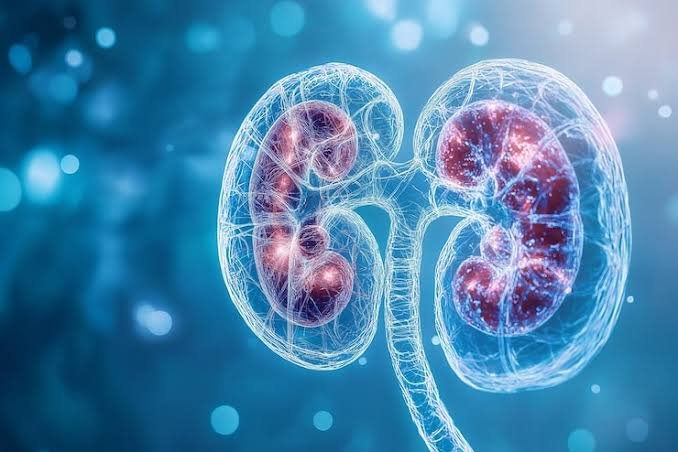
Kidney Treatment in Nagpur
A Kidney treatment in Nagpur Kidney problems can affect people in different ways, from abnormal kidney function and protein in urine to chronic kidney disease, kidney stones, kidney failure, and other renal conditions. Therefore, proper evaluation is important before deciding on a treatment approach. If you are looking for Kidney Treatment in Nagpur, Dr. Rohit P. Badge provides nephrology consultation for patients with kidney-related conditions.
Dr. Rohit P. Badge is a Consultant Nephrologist in Nagpur with qualifications including MBBS, MD General Medicine, DNB Nephrology, MNAMS, and FASN (USA). In addition, his clinical areas include adult and pediatric nephrology, kidney disease management, dialysis care, kidney transplantation, critical care nephrology, and interventional nephrology.
Kidney Care with Dr. Rohit P. Badge | Kidney treatment in Nagpur
Kidney treatment starts with understanding the patient’s symptoms, medical history, test results, kidney function, and underlying health conditions. During a consultation, Dr. Rohit P. Badge evaluates the available information and develops a care plan based on the patient’s condition.
Depending on the clinical situation, kidney care may involve monitoring, medicines, lifestyle guidance, further investigations, specialist treatment, or ongoing follow-up. Therefore, the treatment approach can vary from one patient to another.
A consultation may include a review of:
- Current symptoms
- Previous kidney problems
- Blood pressure
- Diabetes history
- Serum creatinine
- eGFR
- Urine examination
- Protein in urine
- Blood in urine
- Ultrasound or CT reports
- Current medicines
- Previous prescriptions
- Hospital records
- Family history of kidney disease
Ultimately, the treatment approach depends on the diagnosis and the condition of your kidneys. For this reason, an individual evaluation is important.
When Should You Consult a Nephrologist?
A nephrologist specializes in diagnosing and managing conditions that affect kidney function. Therefore, you may consider a nephrology consultation if you have abnormal kidney test results, recurring kidney problems, protein or blood in urine, kidney-related high blood pressure, or a known kidney disease.
A consultation may be useful when:
Creatinine levels are abnormal
eGFR has decreased
Protein is present in urine
Blood is found in urine
You have chronic kidney disease
You have diabetes with kidney concerns
You have high blood pressure affecting kidney health
Kidney stones keep recurring
You have swelling or changes in urine
You have electrolyte abnormalities
You have kidney failure
You need dialysis-related care
You require kidney transplant-related nephrology care
In addition, early evaluation can help identify kidney problems and determine appropriate follow-up. Moreover, a nephrologist may review your medical history, symptoms, blood and urine reports, and other relevant test results. As a result, the doctor can determine whether further investigations, monitoring, or treatment may be appropriate. However, the need for consultation depends on your individual condition and clinical findings.
Kidney Conditions Treated in Nagpur
Dr. Rohit P. Badge provides nephrology evaluation and management for several kidney-related conditions. These conditions can affect kidney function in different ways; therefore, proper assessment is important.
These may include:
- Chronic Kidney Disease
- Acute Kidney Injury
- Diabetic Kidney Disease
- Kidney-related hypertension
- Proteinuria
- Hematuria
- Kidney stones and recurrent stone concerns
- Electrolyte abnormalities
- Nephrotic syndrome
- Kidney failure
- Dialysis-related kidney care
- Kidney transplant-related nephrology care
Because each condition is different, the treatment plan is based on the patient’s medical history, kidney function, symptoms, test results, and other health factors.
Kidney Diagnosis and Evaluation
Before starting treatment, your nephrologist may review your symptoms, medical history, medicines, previous reports, and kidney function. Depending on your symptoms and medical history, additional tests may also be recommended.
The evaluation may include:
- Blood tests
- Serum creatinine
- eGFR
- Blood urea
- Electrolyte tests
- Urine examination
- Urine protein testing
- Blood pressure measurement
- Blood sugar testing
- Ultrasound
- CT imaging when clinically appropriate
- Other investigations based on your symptoms
Moreover, your previous reports can help the doctor compare changes in kidney function over time. As a result, the consultation can focus on the condition that needs attention.
Kidney Function Tests
Kidney function tests help doctors understand how well the kidneys are working. Serum creatinine and eGFR are commonly reviewed during kidney evaluations. In addition, urine tests can provide important information about protein, blood, infection, and other abnormalities.
If your reports show an abnormal kidney function result, a nephrologist can assess the result along with your medical history and other test findings.
However, one abnormal test does not always explain the complete condition. Therefore, your doctor may recommend repeat testing or additional evaluation when clinically appropriate.
Kidney Disease Treatment and Management
Kidney disease treatment depends on its cause, stage, symptoms, kidney function, and associated health conditions. For this reason, treatment plans can differ significantly between patients.
Treatment and follow-up may involve:
- Medicines when appropriate
- Blood pressure management
- Blood sugar management
- Monitoring kidney function
- Dietary guidance
- Fluid management when required
- Management of electrolyte abnormalities
- Treatment of associated conditions
- Regular laboratory monitoring
- Dialysis planning when necessary
- Kidney transplant evaluation in suitable cases
At the same time, the treatment plan may change as kidney function and other health factors change. Therefore, regular follow-up can be an important part of long-term kidney care.
Kidney Stone Evaluation
Kidney stones can cause pain, blood in urine, urinary discomfort, or other symptoms. However, patients with recurrent stones may also need evaluation of kidney function and possible factors contributing to repeated stone formation.
A nephrologist can evaluate the kidney-related aspects of recurrent stone problems and provide prevention-focused guidance. Depending on the situation, additional evaluation may be required.
Depending on the stone size, location, symptoms, obstruction, infection, and other findings, some patients may also require urological assessment.
For detailed information about stone treatment, visit the Kidney Stones Treatment page.
Chronic Kidney Disease Care
Chronic kidney disease (CKD) can develop gradually and may not cause noticeable symptoms during its early stages. Therefore, regular kidney function monitoring can be important for people with diabetes, high blood pressure, a family history of kidney disease, abnormal urine findings, or previous kidney problems.
In addition, CKD management may involve monitoring creatinine and eGFR, checking urine findings, controlling associated conditions, managing complications, and planning appropriate follow-up. Moreover, regular monitoring can help the doctor assess changes in kidney function over time. Depending on the stage of CKD, your doctor may also recommend additional tests or changes in your treatment plan. Furthermore, following the recommended treatment and attending scheduled appointments can support ongoing kidney care. However, the specific management plan varies according to the patient’s kidney function, medical history, symptoms, and overall health.
FAQ
1. What kidney problems can a nephrologist treat?
2. When should I see a kidney specialist?
Consider consultation if you have abnormal kidney tests, reduced eGFR, protein in urine, or persistent kidney-related symptoms.
3. What tests are used to check kidney function?
Common tests include serum creatinine, eGFR, urine tests, electrolytes, and blood pressure monitoring.
4. Can chronic kidney disease be treated?
Treatment can help manage the underlying cause, control complications, and slow further kidney damage.
5. Does every kidney patient need dialysis?
No. Dialysis is generally considered when kidney function is severely reduced and clinical indications are present.
Book an Appointment with Dr. Rohit Badge
if you have abnormal kidney test results, persistent protein in the urine, high blood pressure associated with kidney problems, diabetes-related kidney concerns, dialysis-related questions, or require kidney transplant follow-up, consider scheduling a nephrology consultation.
Book an appointment with Dr. Rohit Badge in Nagpur to discuss your kidney health and understand the appropriate next steps.
Call:+918208419359
Location: 2nd Floor, Guru Balwant Building, Central Bazar Road, Lokmat Square, Ramdaspeth, Nagpur, Maharashtra – 440012.
Consultation Timings: Mon – Sat : 07pm – 09pm, Sun : Closed