Acute Kidney Injury In Nagpur
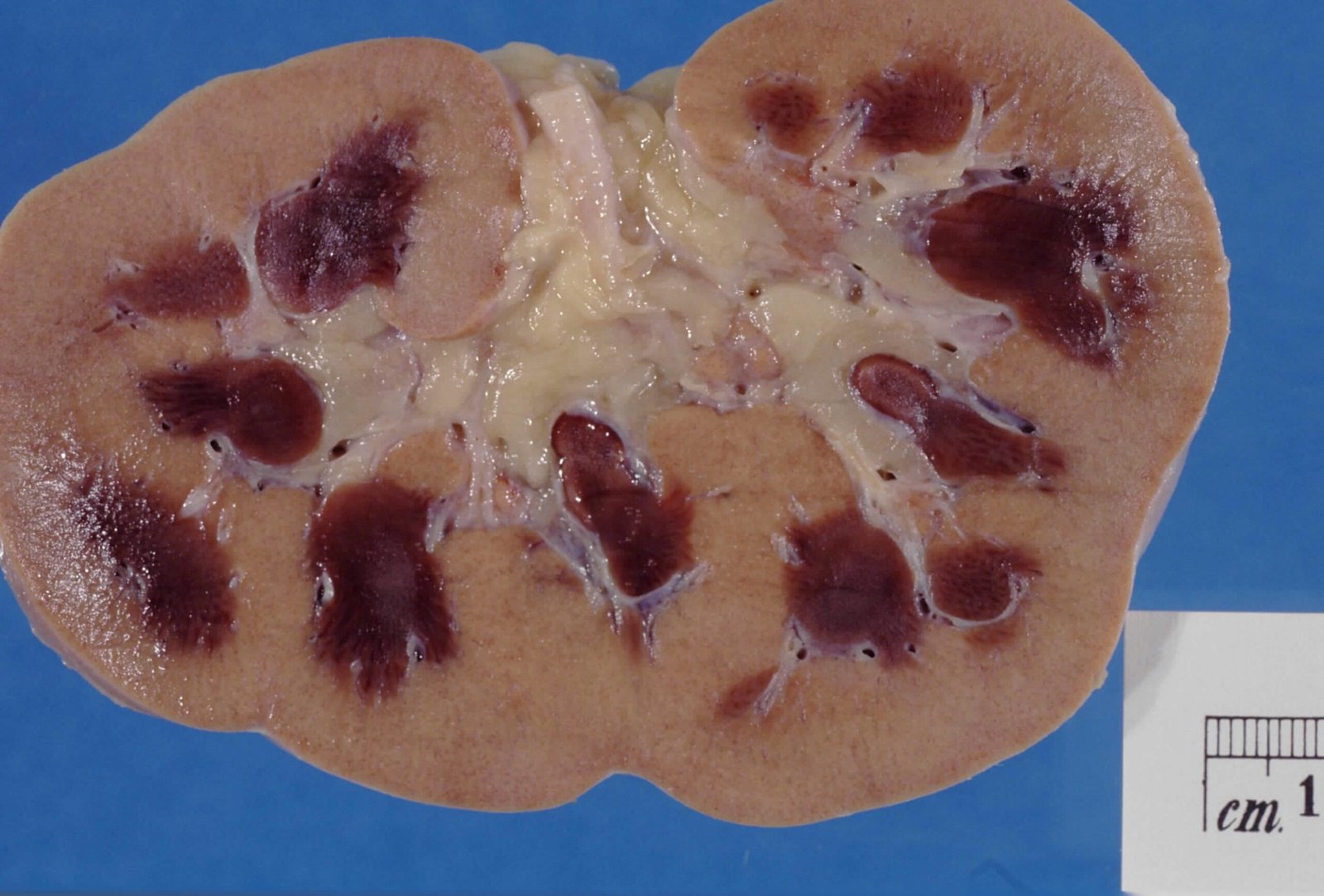
Acute Kidney Injury in Nagpur
The Acute Kidney Injury In Nagpur, Acute Kidney Injury (AKI) is a sudden decrease in kidney function that can develop over hours or days. It can affect the body’s ability to remove waste, maintain fluid balance, and control electrolytes. AKI may occur because of dehydration, infections, low blood pressure, certain medicines, direct kidney injury, or blockage of urine flow.
Early evaluation can help identify the underlying cause and guide appropriate treatment. Some patients recover kidney function after the cause is treated, while severe cases may require hospital care, close monitoring, or temporary dialysis.
If you are looking for an Acute Kidney Injury specialist in Nagpur, a nephrologist can evaluate kidney function, identify possible causes, manage complications, and determine whether further treatment or dialysis is required.
What Is Acute Kidney Injury?
Acute Kidney Injury Symptoms
- Reduced urine output
- Very little or no urine
- Swelling in the legs, ankles, feet, or around the eyes
- Fatigue and weakness
- Nausea or vomiting
- Loss of appetite
- Shortness of breath
- Confusion or unusual drowsiness
- Changes in blood pressure
- Fluid retention
- Symptoms related to electrolyte abnormalities However, severe symptoms require prompt medical evaluation. For example, significant reduction in urine, severe breathlessness, confusion, chest symptoms, or rapidly worsening swelling should not be ignored. In addition, sudden or rapidly worsening symptoms may require urgent medical assessment.
Prerenal Acute Kidney Injury
- Severe dehydration
- Blood loss
- Low blood pressure
- Severe infection
- Heart-related conditions
- Significant fluid loss
- Conditions that reduce circulation to the kidneys Therefore, doctors focus on the underlying cause and the patient’s circulation and fluid status. In addition, they may monitor kidney function and other relevant clinical findings during evaluation. When the problem remains reversible, appropriate treatment may help kidney function improve. Furthermore, timely assessment can help doctors address the underlying cause and monitor the patient’s response to treatment.
Intrinsic Acute Kidney Injury
Intrinsic AKI develops when a problem directly affects the kidney tissue. In addition, several conditions can affect different parts of the kidney and reduce its ability to function normally.
Possible causes may include:
- Certain kidney diseases
- Severe infections
- Inflammation within the kidneys
- Reduced oxygen delivery to kidney tissue
- Certain medication-related kidney injuries
- Other conditions that directly affect kidney structures
However, doctors need to determine the specific cause before selecting treatment. Therefore, blood tests, urine tests, imaging, medical history, and other evaluations may help guide the assessment.
Postrenal Acute Kidney Injury
Postrenal AKI occurs when urine cannot flow normally because of an obstruction. In such cases, the blockage can interfere with normal urine drainage from the kidneys.
Possible causes include:
- Kidney stones
- Enlarged prostate
- Urinary tract obstruction
- Tumors
- Other structural blockages
For example, an ultrasound may help doctors identify an obstruction. Therefore, treatment focuses on relieving the blockage and managing the resulting kidney dysfunction.
Who Has a Higher Risk of Acute Kidney Injury?
- Chronic kidney disease
- Diabetes
- Heart disease
- Severe infections
- Significant dehydration
- Low blood pressure
- Serious illness or hospitalization
- Urinary obstruction
- Previous episodes of AKI
- Certain medication exposures In addition, people with existing kidney problems may require closer monitoring during serious illness. Similarly, doctors may monitor kidney function more closely when patients use medicines that can affect kidney function. Furthermore, regular medical monitoring can help doctors identify changes in kidney function when clinically appropriate.
FAQ
1. What is acute kidney injury?
2. What can cause acute kidney injury?
AKI can result from dehydration, severe infections, low blood pressure, certain medicines, kidney damage, or blockage of urine flow.
3. What are the symptoms of acute kidney injury?
Symptoms may include reduced urine output, swelling, fatigue, nausea, shortness of breath, or confusion. However, some people may have no noticeable symptoms.
4. How is acute kidney injury diagnosed?
Doctors may use blood tests, urine tests, urine-output monitoring, and imaging tests to evaluate kidney function and identify the possible cause.
5. Can acute kidney injury be treated?
Yes. Treatment depends on the underlying cause and may include fluids, medication changes, treatment of infection, relief of urinary blockage, or dialysis when clinically necessary.
How Is Acute Kidney Injury Diagnosed?
Doctors diagnose AKI by combining the patient’s medical history, physical examination, blood tests, urine tests, and imaging when required.
Blood TestsBlood tests may include:
- Serum creatinine
- Blood urea
- Electrolytes
- Other tests based on the suspected cause